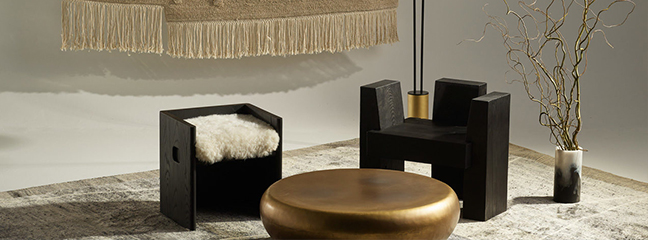

The pursuit of refined aesthetics within the home is a constantly evolving journey, a reflection of personal taste and a desire for environments that inspire and comfort. In recent years, there’s been a growing appreciation for textures that add depth and visual interest to interior spaces. From plush velvets to naturally woven linens, the tactile experience of a room is becoming just as important as its visual appeal. This trend has led many homeowners and designers to explore innovative materials and finishes, seeking those unique elements that truly elevate a design scheme. Discovering resources that offer such elevated options is key, and platforms like https://the-spinkings.uk are becoming increasingly valuable in sourcing these special pieces.
The impact of texture extends far beyond simple aesthetics, influencing mood, perception of space, and even emotional wellbeing. A room filled with thoughtfully chosen textures feels inviting and layered, creating a sense of warmth and sophistication. It's about moving beyond a purely visual experience and engaging the senses, fostering a more holistic and comfortable environment. This isn’t simply about applying luxurious fabrics; it’s about understanding how different textures interact with light, color, and form to create a cohesive and impactful design. The exploration of these elements are driving a new wave of interior design possibilities.
Tactile design, at its core, centers around how materials feel as much as how they look. It's a conscious effort to incorporate a variety of textures into a space, creating a rich and engaging sensory experience. This goes beyond simply choosing soft furnishings; it’s about considering the texture of walls, floors, lighting fixtures, and even decorative accessories. A smooth, cool marble countertop juxtaposed with a cozy, heavily textured rug, for instance, creates a dynamic and interesting contrast. Layering textures is paramount – combining different weaves of fabric, varying the pile height of carpets, and incorporating natural materials like wood and stone all contribute to a more immersive ambiance. The goal is to create a space that invites touch and exploration, fostering a sense of comfort and wellbeing.
Textures aren't simply 'smooth' or 'rough'. There’s a broad spectrum encompassing everything from coarse and granular to sleek and polished. Materiality plays a huge role – natural fibers like wool and cotton offer a different tactile experience than synthetics. Consider the visual texture as well – patterns and designs can create the illusion of texture, even on surfaces that are otherwise smooth. For example, a wallpaper with a raised pattern, or a fabric with a woven design, both contribute to the overall textural landscape of a room. Successfully incorporating these variations requires careful planning and an understanding of how different textures interact with each other and the overall design scheme. Don't be afraid to experiment!
| Texture Type | Characteristics | Common Applications |
|---|---|---|
| Rough/Coarse | Uneven surface, strong tactile feel | Exposed brick, natural stone, jute rugs |
| Smooth/Polished | Even surface, cool and refined feel | Marble countertops, glass surfaces, polished wood floors |
| Soft/Plush | Gentle and yielding to the touch | Velvet upholstery, shag rugs, cashmere throws |
| Woven/Textured | Interlocking fibers creating a visibly and tactilely interesting surface | Woven baskets, textured wallpaper, linen curtains |
Ultimately, the thoughtful application of texture can transform an ordinary space into something truly exceptional. By consciously considering the tactile qualities of materials, designers and homeowners can create environments that are not only beautiful but also incredibly inviting and comfortable. Resources like those found through carefully curated platforms are invaluable in this process, offering access to a diverse range of options that cater to a wide range of tastes and styles.
Fabrics and textiles are perhaps the most accessible and impactful way to introduce texture into a space. From the luxurious drape of silk to the rustic charm of linen, the possibilities are endless. Consider layering different textures to create depth and visual interest. A velvet sofa paired with knitted cushions and a woven throw, for instance, creates a rich and inviting look. Curtains are another excellent opportunity to add texture – choose heavier fabrics like velvet or brocade for a more opulent feel, or lighter linens and cottons for a more relaxed and airy ambiance. Don't underestimate the power of smaller details either - textured pillows, throws, and even rugs can all contribute significantly to the overall tactile experience. Furthermore, think about the patterns within the fabrics; stripes, geometric designs, and floral motifs can all add another layer of visual and tactile complexity.
The key to selecting the right fabrics lies in understanding your desired aesthetic. For a modern and minimalist space, consider sleek and smooth materials like leather, linen, and wool. These fabrics offer a subtle texture that complements clean lines and a neutral color palette. For a more bohemian or eclectic look, embrace bolder textures and patterns - think velvet, brocade, and ikat prints. If you're aiming for a cozy and inviting atmosphere, prioritize soft and plush fabrics like cashmere, fleece, and chenille. Beyond aesthetics, consider practicality. Choose fabrics that are durable and easy to clean, especially in high-traffic areas. Think about the light conditions in the room as well - darker fabrics will absorb more light, while lighter fabrics will reflect it.
By carefully selecting fabrics and textiles, you can transform a space into a haven of tactile comfort and style. Exploring the variety of options available can significantly elevate your interior design, making it both visually appealing and profoundly pleasing to the touch.
Natural materials, by their very nature, possess inherent texture and character. Wood, stone, bamboo, and rattan all bring a unique tactile quality to a space, creating a connection to the outdoors and a sense of authenticity. The grain of wood, the coolness of stone, and the woven texture of rattan all contribute to a richer and more engaging environment. Incorporating these materials into your design scheme can be as simple as adding a wooden coffee table, a stone fireplace surround, or a rattan chair. Consider using natural materials for flooring as well - hardwood floors, stone tiles, and bamboo flooring all offer a beautiful and tactile foundation for your space. The variations in color and grain found in natural materials add depth and visual interest, making each piece truly unique.
Beyond their aesthetic appeal, natural materials also offer a sustainable and eco-friendly design solution. Choosing responsibly sourced wood, reclaimed stone, and sustainably harvested bamboo helps to minimize your environmental impact. Look for materials with certifications like FSC (Forest Stewardship Council) to ensure they come from well-managed forests. Natural fibers like jute, sisal, and seagrass are also excellent sustainable options for rugs and flooring. These materials are biodegradable and renewable, making them a responsible choice for environmentally conscious consumers. Prioritizing sustainability doesn't mean sacrificing style or quality – there are plenty of beautiful and durable natural materials available that can enhance the aesthetic appeal of your space while minimizing your footprint.
Embracing natural materials is a powerful way to enhance the textural richness of a space while promoting sustainability and a connection to the natural world. Finding suppliers dedicated to responsible sourcing, like those potentially highlighted at https://the-spinkings.uk, is vital for realizing this vision.
Successfully incorporating texture isn't about randomly adding different materials; it's about creating a cohesive design through intentional layering. Start with a neutral base and then gradually introduce textures through furniture, accessories, and textiles. Consider the interplay between different textures – how do they contrast or complement each other? A smooth, shiny surface can be beautifully offset by a rough, matte texture, creating a dynamic and visually interesting contrast. Don't be afraid to mix and match different materials - wood, metal, glass, and fabric can all work together harmoniously if used thoughtfully. Pay attention to the scale of textures as well – larger textures can create a sense of drama, while smaller textures add subtle detail.
Ultimately, the key to successful layering is balance. Too much texture can feel overwhelming and chaotic, while too little can feel flat and uninspired. Experiment with different combinations until you find a look that feels both visually appealing and comfortable. Remember to consider the overall mood and atmosphere you're trying to create – a cozy and inviting space will require a different approach than a sleek and modern one. Don’t be afraid to adjust your approach. As you add more texture, step back and evaluate the space to make sure the overall effect is balanced and harmonious.
The influence of texture extends beyond the purely aesthetic; it profoundly impacts our emotional and psychological wellbeing. Certain textures evoke specific emotions and associations. Soft, plush textures like velvet and cashmere create a sense of comfort and security, while rough, natural textures like wood and stone evoke feelings of grounding and connection to nature. Cool, smooth textures like marble and glass can feel calming and refreshing, while warm, tactile textures like wool and linen can create a sense of coziness and intimacy. This response is partly neurological; our sense of touch is directly linked to our emotional centers in the brain.
Understanding this connection allows designers to create spaces that are not only beautiful but also emotionally supportive. A thoughtfully textured environment can reduce stress, promote relaxation, and enhance overall wellbeing. For example, incorporating natural textures into a bedroom can create a more restful and peaceful atmosphere, while using vibrant and engaging textures in a living room can foster a sense of energy and social connection. Ultimately, the goal is to create a space that feels nurturing and uplifting, a sanctuary where you can truly relax and recharge. The possibilities explored through resources like those potentially available through https://the-spinkings.uk can be instrumental in achieving this harmonious balance of aesthetic and emotional wellbeing.